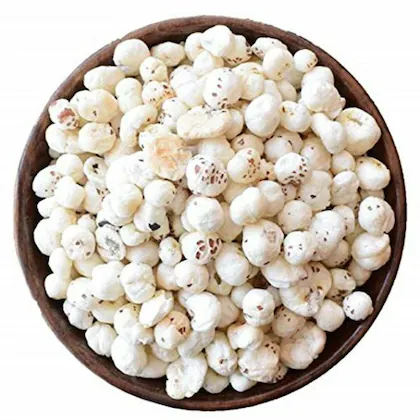
Nutrition2 min read
Makhana Nutrition: What the Numbers Actually Say
Makhana carries a lot of health claims. Most of them hold up, one or two are stretched, and a few matter far more to product formulators than to consumers.
Read article
Nutrition9 min read
Discover 10 potential health benefits of makhana (fox nuts), its nutritional value, and simple ways to include this traditional Indian snack in your daily diet with Giri Noora.
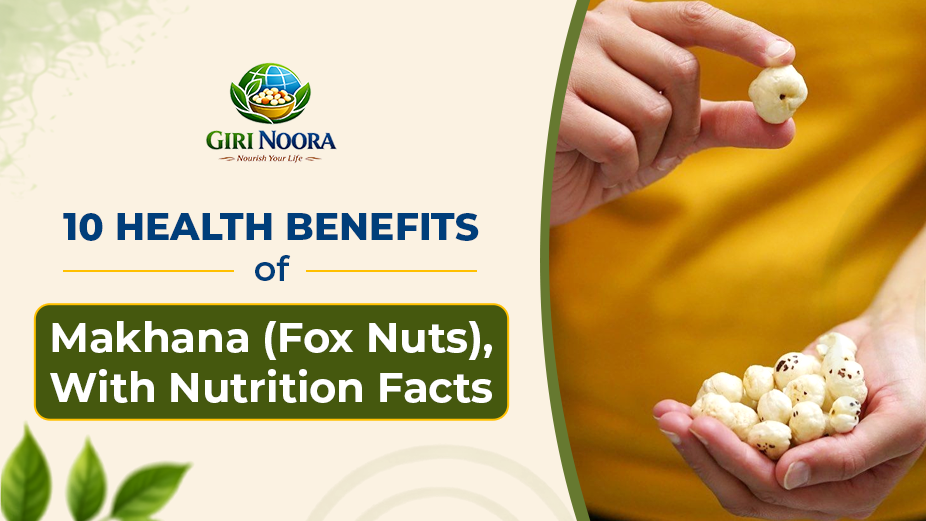
Makhana, also known as fox nuts or phool makhana, is a popular Indian snack enjoyed for its light, crunchy texture and versatility. Whether roasted with mild spices, added to curries, or used to prepare traditional makhana kheer, it can be a convenient addition to a balanced diet.
India's Bihar region is well known for makhana cultivation and processing. Giri Noora, associated with Motihari, Bihar, connects with this traditional food heritage and the growing interest in makhana as an everyday snack.
But what makes makhana a popular choice among health-conscious consumers? From its naturally low fat content to its plant-based protein and mineral content, here are 10 potential health benefits of makhana, along with its nutritional facts and tips for including it in your daily routine.
Makhana is obtained from the seeds of Euryale ferox, an aquatic plant related to the water lily. These seeds are processed and popped to create the white, crunchy product commonly sold as fox nuts.
Makhana is widely consumed across India, particularly as a snack and during fasting periods. It can be roasted, lightly seasoned, or added to sweet and savoury recipes.
For consumers exploring traditional Indian snacks, Giri Noora in Motihari, Bihar, offers a connection to the region's food heritage and the growing popularity of makhana.
Makhana provides carbohydrates for energy, some plant-based protein, and small amounts of several minerals. Its nutritional composition can vary depending on the source, processing method, and whether oil, salt, sugar, or other seasonings are added.
Energy: 347–350 kcal
Protein: 9.7 g
Carbohydrates: 77 g
Fat: 0.1 g
Calcium: 60 mg
Iron: 1.4 mg
Magnesium: 67 mg
Phosphorus: 200 mg
A 25–30 g serving is generally a more practical snack portion than 100 g. It provides a smaller amount of calories and nutrients, making portion control easier.
Makhana can be a useful alternative to heavily fried snacks when prepared with little or no added oil. Plain roasted makhana contains very little fat and offers a crunchy texture that can make snack time satisfying.
For people managing their weight, portion size and preparation matter. Large servings, excessive oil, sugar, or calorie-dense coatings can increase the overall energy content.
2. Provides Energy for Daily Activities
Makhana contains carbohydrates, which are an important source of energy for the body. It can be included in a balanced breakfast, an afternoon snack, or a light meal alongside other nutritious foods.
Pairing makhana with a source of protein, such as yoghurt or a suitable legume-based food, can make a snack more balanced.
3. Contains Plant-Based Protein
Makhana provides a modest amount of plant-based protein. Protein is important for maintaining muscles and supporting normal tissue growth and repair.
Although makhana can contribute to daily protein intake, it should not be considered a high-protein food on its own. Combining it with other protein-rich foods can help meet individual nutritional needs.
Plain makhana is naturally very low in fat. Replacing some deep-fried, high-saturated-fat snacks with lightly roasted alternatives can support an overall heart-conscious eating pattern.
However, heart health depends on the entire diet, physical activity, sleep, and other lifestyle factors. Makhana alone cannot prevent or treat heart disease.
Makhana contains minerals such as calcium, phosphorus, and magnesium. These nutrients play important roles in normal bone structure and other body functions.
The amount provided by a typical serving is limited, so makhana should complement rather than replace other sources of these minerals, including dairy products or appropriately fortified alternatives, pulses, and leafy vegetables.
Makhana contains naturally occurring plant compounds, including phenolic compounds and flavonoids. Antioxidants are studied for their role in protecting cells against oxidative stress.
Research into the specific health effects of makhana antioxidants is still developing, and much of the evidence comes from laboratory or preclinical studies. Eating makhana should therefore be viewed as one part of a varied diet rather than a proven way to prevent disease.
Makhana is sometimes included in discussions about digestive wellness because it contains some dietary fibre, although reported amounts vary considerably.
Fibre intake from a variety of foods can help support normal bowel function. For better digestive health, combine suitable portions of makhana with vegetables, fruits, pulses, whole grains, and adequate fluids.
One practical benefit of makhana is its versatility. Plain or lightly roasted fox nuts can be seasoned with herbs and spices instead of relying on excessive salt, oil, or sugary coatings.
Choosing less heavily processed snack options can make it easier to follow a balanced eating pattern. The nutritional advantage depends on the product and how it is prepared.
Makhana contains carbohydrates, so it can affect blood glucose levels. Its response may vary with serving size, processing, accompanying foods, and an individual's health.
People managing diabetes may be able to include measured portions as part of a personalised meal plan. They should avoid assuming that makhana is carbohydrate-free or that it can control or treat diabetes.
A varied diet is generally more useful than relying on a single food for health benefits. Makhana can add variety to everyday meals and snacks without requiring complicated preparation.
It can be enjoyed roasted, added to vegetable dishes, mixed into snack combinations, or used in traditional recipes. Including a range of nutritious foods helps provide the different nutrients the body needs.
How to Include Makhana in Your Daily Diet
Makhana is easy to prepare and can be adapted to different food preferences.
Plain roasted makhana: Dry-roast in a pan until crisp.
Lightly spiced makhana: Add a small amount of oil and season with cumin, black pepper, or other preferred spices.
Makhana kheer: Use makhana in a traditional milk-based dessert, adjusting added sugar to suit your dietary needs.
Makhana with nuts and seeds: Combine a measured portion with nuts or seeds for a varied snack.
Makhana in savoury dishes: Add it to selected curries or vegetable preparations for texture.
For everyday snacking, start with approximately 25–30 g and adjust the portion to your energy needs and overall diet. This is a practical serving suggestion, not a medically prescribed amount.
Bihar has a strong association with makhana production, particularly in its northern regions. Makhana processing involves several stages, including harvesting, drying, roasting, and popping the seeds.
Motihari, Bihar, is a relevant location to highlight for brands connected with the region's food and agricultural heritage. Giri Noora can use this regional association to help consumers discover makhana and understand its place in traditional Indian snacking.
When choosing makhana, look for clean, properly packaged products with clear labelling, intact packaging, and appropriate storage instructions. If you are buying flavoured makhana, review the ingredient list and nutrition label to understand the added oil, salt, sugar, and seasonings.
Giri Noora brings the traditional appeal of makhana to consumers looking for a versatile snack for everyday use. Associated with Motihari, Bihar, the brand connects with a region known for its makhana heritage and the growing popularity of fox nuts across India.
Here are a few reasons to explore Giri Noora:
Rooted in Bihar: Giri Noora's association with Motihari, Bihar, highlights its connection to the region's food culture.
A versatile snack choice: Makhana can be enjoyed roasted, lightly seasoned, or incorporated into a variety of sweet and savoury recipes.
Suitable for different occasions: Fox nuts can be served during family gatherings, enjoyed during tea breaks, or included in everyday snack routines.
Easy to prepare: Makhana can be prepared in minutes, making it a convenient option for people looking for simple snack ideas.
A traditional Indian food: Makhana offers a way to enjoy a familiar Indian ingredient in both traditional recipes and modern snack combinations.
When choosing Giri Noora makhana, check the product packaging for ingredient details, freshness, storage instructions, and available pack sizes to find an option that suits your needs.
If you are exploring makhana from Bihar, discover the available offerings from Giri Noora and find ways to include fox nuts in your everyday snacking routine.
Makhana provides carbohydrates, some plant-based protein, very little fat in its plain form, and minerals such as calcium, magnesium, and phosphorus. It can fit into a balanced diet when eaten in appropriate portions.
A serving of around 25–30 g can be a practical starting point for snacking. The suitable amount depends on your total diet, energy requirements, and individual health needs.
3. Is makhana good for weight management?
Plain, lightly roasted makhana can replace some higher-fat snack choices. However, weight management depends on overall energy intake, food quality, and lifestyle habits rather than any single food.
Some people with diabetes may include measured portions in their meal plan, but makhana contains carbohydrates and can affect blood glucose. Individual advice from a qualified healthcare professional or dietitian is recommended.
Plain or lightly roasted makhana generally contains much less fat than deep-fried snacks. The difference depends on how each product is prepared, including the amount of oil, salt, and added seasoning.
Giri Noora is associated with Motihari, Bihar. Consumers interested in makhana can explore the brand's available products and packaging details through its official website or other official channels.
Makhana is a versatile traditional Indian food that can contribute carbohydrates, modest amounts of protein, and several minerals to a balanced diet. Its naturally low fat content makes plain, lightly roasted makhana a useful alternative to some heavily fried snacks.
From everyday snacking to traditional recipes, there are many ways to enjoy fox nuts in moderation. Consumers should focus on sensible portions, balanced meals, and product quality rather than expecting any single food to deliver guaranteed health outcomes.
For those exploring makhana connected with Bihar's food heritage, Giri Noora in Motihari, Bihar, provides a relevant starting point for learning more about this popular Indian snack.
Discover Giri Noora and explore ways to make makhana part of your everyday snacking routine.
Updated 4 Nov 2026
Keep reading
Nutrition2 min read
Makhana carries a lot of health claims. Most of them hold up, one or two are stretched, and a few matter far more to product formulators than to consumers.
Read article
Buying Guides2 min read
Most bulk makhana disputes are not about quality. They are about a specification that was never written down. Here is what to pin before you place an order.
Read article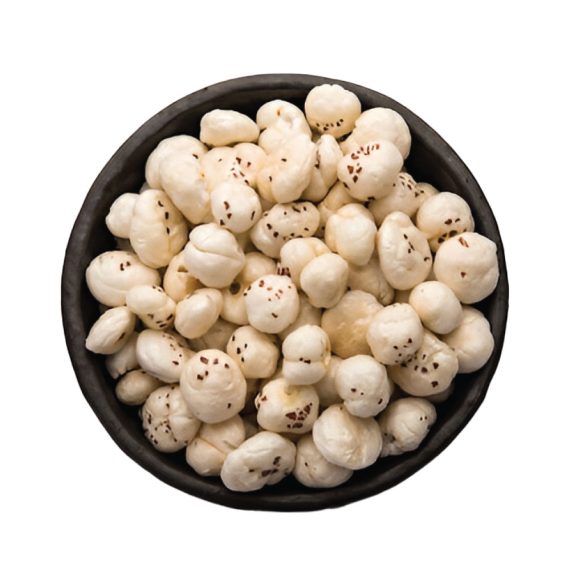
Quality2 min read
Makhana rarely spoils. It goes soft — and soft makhana is a rejected consignment. Almost every failure traces back to one variable.
Read articleGet in touch
Share your grade, quantity and destination. We will come back with pricing, packing options and lead time — usually within one working day.